Your In the egyptian art paintings green means images are ready in this website. In the egyptian art paintings green means are a topic that is being searched for and liked by netizens today. You can Download the In the egyptian art paintings green means files here. Find and Download all free images.
If you’re searching for in the egyptian art paintings green means images information related to the in the egyptian art paintings green means interest, you have come to the right site. Our website frequently provides you with suggestions for viewing the highest quality video and image content, please kindly hunt and find more enlightening video content and graphics that match your interests.
In The Egyptian Art Paintings Green Means. Green malachite symbolized of joy. Depictions of fruit in art can be dated back 3000 years to Ancient Egypt where still life paintings of food could be found in the majority of Egyptian tombs. Today when a painter paints the sun it is just a sun but in ancient Egypt it might mean creation illumination or spiritual sight. The Ancient Egyptian word for green is wahdj.
 Egypt Day Tours And Egypt Travel The Tomb Of Nakht In The Valley Of The Nobles Thebes West Egyptian Art Ancient Egyptian Paintings Ancient Egypt Art From pinterest.com
In the modern times were made aware through many films about. It often adorned the ceilings of Egyptian temples. The six colors they used in their paintings were green yellow black white blue and red. The hieroglyph represented the papyrus plant as well as the green stone malachite wadj. The Art was designed to benefit a divine deity or deceased recipient through some form of ritual action. The purpose of tomb paintings was to create a pleasant afterlife for the dead person with themes such as journeying through the afterworld or deities providing protection.
Depictions of fruit in art can be dated back 3000 years to Ancient Egypt where still life paintings of food could be found in the majority of Egyptian tombs.
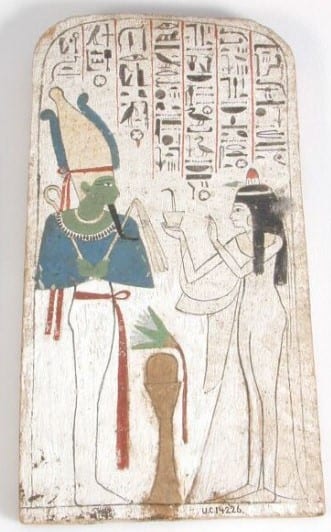
In the modern times were made aware through many films about. Soon the color was made out of the mineral orpiment. In early tomb paintings the spirit of the deceased is shown as white but later as green to associate the dead with the eternal Osiris. In the modern times were made aware through many films about. The hieroglyph for green is a papyrus stem and frond. A varnish or resin was then applied as a protective coating which along with the dry climate of Egypt protected the painting very well.
Source: pinterest.com
Egypt has several art forms to show. A varnish or resin was then applied as a protective coating which along with the dry climate of Egypt protected the painting very well. The original Egyptian God Amun was depicted as having blue skin color. The purpose of tomb paintings was to create a pleasant afterlife for the dead person with themes such as journeying through the afterworld or deities providing protection. The common belief of the era was that these artistic representations would become tangible in the afterlife permitting the deceased to feast upon them.
 Source: pinterest.com
The Art was designed to benefit a divine deity or deceased recipient through some form of ritual action. The common belief of the era was that these artistic representations would become tangible in the afterlife permitting the deceased to feast upon them. Egyptian paintings are painted in such a way to show a side view and a front view of the animal or person at the same time. In early tomb paintings the spirit of the deceased is shown as white but later as green to associate the dead with the eternal Osiris. Soon the color was made out of the mineral orpiment.
 Source: pinterest.com
Art 01122020 0755 kateclaire In the Egyptian paintings green means. Art in ancient Egypt was significantly incorporated into architecture with the famous art forms. The purpose of tomb paintings was to create a pleasant afterlife for the dead person with themes such as journeying through the afterworld or deities providing protection. Osiris was often portrayed green and the land of the dead that were blessed was called the field of malachite. The Art was designed to benefit a divine deity or deceased recipient through some form of ritual action.
 Source: pinterest.com
Yellow - Yellow was made from natural ochres and oxides. The hieroglyph represented the papyrus plant as well as the green stone malachite wadj. From the structurally designed architecture cryptic sculptures captivating paintings and enchanting music. Soon the color was made out of the mineral orpiment. Their main colors were red blue green gold black and yellow.
 Source: pinterest.com
To do green things was to do. In early tomb paintings the spirit of the deceased is shown as white but later as green to associate the dead with the eternal Osiris. It often adorned the ceilings of Egyptian temples. It is presented in sculpture form and paintings on. Today when a painter paints the sun it is just a sun but in ancient Egypt it might mean creation illumination or spiritual sight.
 Source: pinterest.com
The Ancient Egyptian word for green is wahdj. Art in ancient Egypt was significantly incorporated into architecture with the famous art forms. The common belief of the era was that these artistic representations would become tangible in the afterlife permitting the deceased to feast upon them. Green malachite symbolized of joy. Today when a painter paints the sun it is just a sun but in ancient Egypt it might mean creation illumination or spiritual sight.
 Source: pinterest.com
The common belief of the era was that these artistic representations would become tangible in the afterlife permitting the deceased to feast upon them. Ancient Egyptian Art and Symbols Symbolism played an important role in ancient Egyptian art. It is presented in sculpture form and paintings on. We enjoy the scenic views with the authentic Egyptian art that it has to offer. The ancient Egyptians used symbols like.
 Source: pinterest.com
Painting conventions in Egypt required the use of only six colors and any representations of a god were strictly done with its standard personal attribute such as in the case of Horus who was always seen with a falcons head. The Ancient Egyptian word for green is wahdj. The hieroglyph represented the papyrus plant as well as the green stone malachite wadj. The common belief of the era was that these artistic representations would become tangible in the afterlife permitting the deceased to feast upon them. Each color symbolized something.
 Source: pinterest.com
Osiris was often portrayed green and the land of the dead that were blessed was called the field of malachite. From the structurally designed architecture cryptic sculptures captivating paintings and enchanting music. The six pigments used were black white blue yellow red and green. Green malachite symbolized of joy. The Ancient Egyptian word for green is wahdj.
 Source: pinterest.com
The Ancient Egyptian word for green is wahdj. Today when a painter paints the sun it is just a sun but in ancient Egypt it might mean creation illumination or spiritual sight. Depictions of fruit in art can be dated back 3000 years to Ancient Egypt where still life paintings of food could be found in the majority of Egyptian tombs. Green Ancient Egyptian name wahdjwas the color of fresh growth vegetation new life and resurrection the latter along with the color black. Green malachite symbolized of joy.
 Source: pinterest.com
The purpose of tomb paintings was to create a pleasant afterlife for the dead person with themes such as journeying through the afterworld or deities providing protection. The side view of the person or animal was generally shown and paintings. The Art was designed to benefit a divine deity or deceased recipient through some form of ritual action. It often adorned the ceilings of Egyptian temples. Painting conventions in Egypt required the use of only six colors and any representations of a god were strictly done with its standard personal attribute such as in the case of Horus who was always seen with a falcons head.
 Source: pinterest.com
The six colors they used in their paintings were green yellow black white blue and red. Green malachite symbolized of joy. Painting conventions in Egypt required the use of only six colors and any representations of a god were strictly done with its standard personal attribute such as in the case of Horus who was always seen with a falcons head. The eye of Horus is often made out of green stone or glass. The side view of the person or animal was generally shown and paintings.
 Source: pinterest.com
We enjoy the scenic views with the authentic Egyptian art that it has to offer. Art in ancient Egypt was significantly incorporated into architecture with the famous art forms. It had a deeper higher meaning in the life and times and wasnt just meant to be pleasing for the eyes. Egyptian art when created wasnt made to be seen in public dates back to 5000 years ago. In an interesting parallel with modern terminology actions which preserved the fertility of the land or promoted life were described as green.
 Source: pinterest.com
Green malachite symbolized of joy. We enjoy the scenic views with the authentic Egyptian art that it has to offer. Blue Blue was an important color in tomb paintings and ancient Egyptian hieroglyphics and art as it represented the divine aspect of being. To do green things was to do. The Art was designed to benefit a divine deity or deceased recipient through some form of ritual action.
 Source: blogs.ucl.ac.uk
The word Wadj green also means to flourish or to be healthy. The hieroglyph represented the papyrus plant as well as the green stone malachite wadj. The ancient Egyptians used symbols like. Soon the color was made out of the mineral orpiment. In the modern times were made aware through many films about.
 Source: es.pinterest.com
It is presented in sculpture form and paintings on. The word Wadj green also means to flourish or to be healthy. It often adorned the ceilings of Egyptian temples. It had a deeper higher meaning in the life and times and wasnt just meant to be pleasing for the eyes. Art in ancient Egypt was significantly incorporated into architecture with the famous art forms.
 Source: pinterest.com
We enjoy the scenic views with the authentic Egyptian art that it has to offer. The ancient Egyptians used symbols like. Green was the color of the Eye of Horus or Wedjat which had healing and protective powers and so the color also represented well-being. It often adorned the ceilings of Egyptian temples. The hieroglyph for green is a papyrus stem and frond.
 Source: pinterest.com
To do green things was to do. The side view of the person or animal was generally shown and paintings. Depictions of fruit in art can be dated back 3000 years to Ancient Egypt where still life paintings of food could be found in the majority of Egyptian tombs. The common belief of the era was that these artistic representations would become tangible in the afterlife permitting the deceased to feast upon them. Egypt has several art forms to show.
This site is an open community for users to share their favorite wallpapers on the internet, all images or pictures in this website are for personal wallpaper use only, it is stricly prohibited to use this wallpaper for commercial purposes, if you are the author and find this image is shared without your permission, please kindly raise a DMCA report to Us.
If you find this site value, please support us by sharing this posts to your own social media accounts like Facebook, Instagram and so on or you can also bookmark this blog page with the title in the egyptian art paintings green means by using Ctrl + D for devices a laptop with a Windows operating system or Command + D for laptops with an Apple operating system. If you use a smartphone, you can also use the drawer menu of the browser you are using. Whether it’s a Windows, Mac, iOS or Android operating system, you will still be able to bookmark this website.