Your How was the land kept fertile in egeypt egept images are available. How was the land kept fertile in egeypt egept are a topic that is being searched for and liked by netizens now. You can Download the How was the land kept fertile in egeypt egept files here. Find and Download all free vectors.
If you’re looking for how was the land kept fertile in egeypt egept images information connected with to the how was the land kept fertile in egeypt egept keyword, you have come to the ideal blog. Our website frequently provides you with hints for viewing the highest quality video and picture content, please kindly hunt and locate more informative video articles and images that match your interests.
How Was The Land Kept Fertile In Egeypt Egept. Egypt and the Fertile Crescent shared certain things within the social and political part of their civilizations. Most of Egypt is desert but along the Nile River the soil is rich and good for growing crops. These deserts separated ancient Egypt from neighbouring countries and invading armies. If the Exodus really took place in 1491 the building of the temple began about 1011 BC.
 New Kingdom Egipto From in.pinterest.com
Most of Egypt is desert but along the Nile River the soil is rich and good for growing crops. Regular floods bring about the Nile valleys annual miracle. Huge attempts to prevent the heat were not employed as Egyptians gradually accustomed themselves to the climate. In addition the location of the Delta along the Mediterranean and. And it came to pass in the four hundred and eightieth year after the children of Israel were come out of the land of Egypt in the fourth year of Solomons reign over Israel in the month Zif which is the second month that he began to build the House of the Lord I Kings 61. Anywhere from building pyramids to parts of a city someone had to do it but who.
Regular floods bring about the Nile valleys annual miracle.
The red land was the barren desert that protected Egypt on two sides.
 Source: quora.com
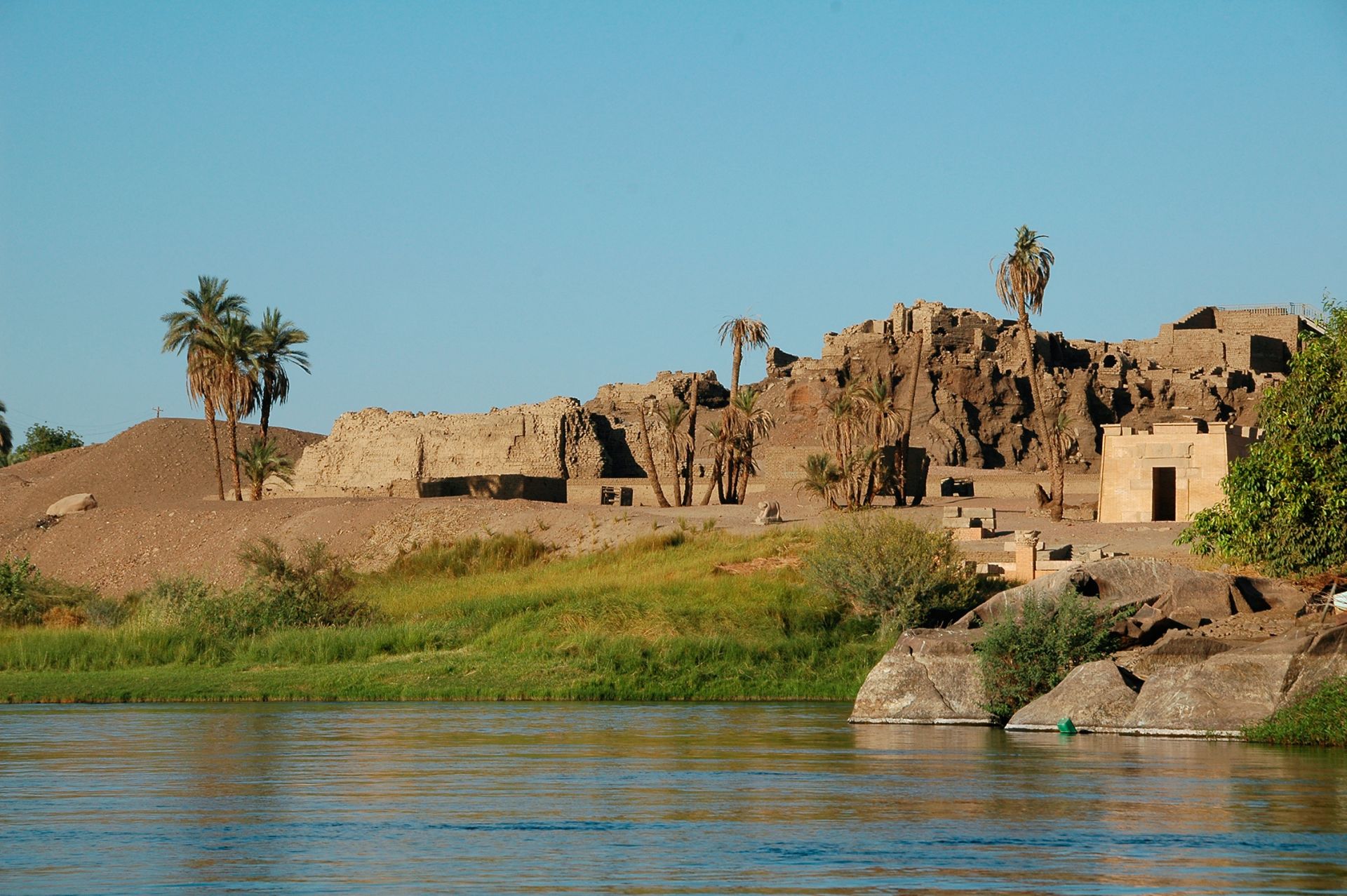
The Nile was an inevitability in Egyptian life. The reason Egypts location made. In addition the location of the Delta along the Mediterranean and. Natural highpoints in the landscape that became islands during the inundation. Most of Egypt is desert but along the Nile River the soil is rich and good for growing crops.
 Source: dkfindout.com
Instead of roaming the land they saw the opportunity the Nile provided them through agriculture. The three most important crops were wheat flax and papyrus. For them bestowing this sacred name to the great river meant. Who were the political leaders in ancient Egypt. The river flooded every year leaving the fertile black soil which was a boon to the Egyptian agriculture.
 Source: pinterest.com
The flooding season lasted from June to September depositing on the rivers. Huge attempts to prevent the heat were not employed as Egyptians gradually accustomed themselves to the climate. T his is because the names come from the flow of the Nile River. Egypt arable land for 2016 was 2786765 a 276 decline from 2015. Having slaves or laborers made is.
 Source: pinterest.com
Joined at Khartoum in the Sudan those waters have flowed unimpeded on their four-thousand mile journey toward the Mediterranean Sea for millennia carving out a wondrous fertile valley amidst an inhospitable desert. The three most important crops were wheat flax and papyrus. And it came to pass in the four hundred and eightieth year after the children of Israel were come out of the land of Egypt in the fourth year of Solomons reign over Israel in the month Zif which is the second month that he began to build the House of the Lord I Kings 61. The Egyptians recognized three seasons. By determining when the Nile flooded.
 Source: pinterest.com
The red land was the barren desert that protected Egypt on two sides. The Nile was an inevitability in Egyptian life. The Ancient Egypt people believed the Egyptian god of fertility and water named Hapi caused the flooding. Having slaves or laborers made is. Why was the land so fertile in Egypt.
 Source: pinterest.com
The Nile was an inevitability in Egyptian life. Wheat - Wheat was the main staple food of the Egyptians. History covers them all. The land of Upper Egypt was in the southern portion of Egypt and it was really just the narrow winding valley of the Nile River. Farming in Egypt was dependent on the cycle of the Nile River.
 Source: pinterest.com
In this way how did the Nile River make Egypt fertile. Answer 1 of 5. The land of Upper Egypt was in the southern portion of Egypt and it was really just the narrow winding valley of the Nile River. This name is commonly vocalised as Kemet but was probably pronounced kuːmat in ancient Egyptian. The Ancient Egypt people believed the Egyptian god of fertility and water named Hapi caused the flooding.
 Source: pinterest.com
Anywhere from building pyramids to parts of a city someone had to do it but who. The Ancient Egyptians worshipped the life-giving Hapi their predynastic name for the Nile. Egypt arable land for 2018 was 2910969 a 0 increase from 2017. Joined at Khartoum in the Sudan those waters have flowed unimpeded on their four-thousand mile journey toward the Mediterranean Sea for millennia carving out a wondrous fertile valley amidst an inhospitable desert. Wheat - Wheat was the main staple food of the Egyptians.
Source: quora.com
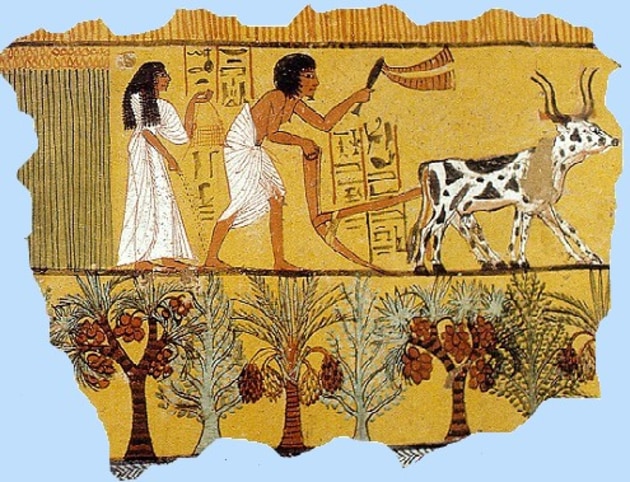
Wheat - Wheat was the main staple food of the Egyptians. These deserts separated ancient Egypt from neighbouring countries and invading armies. The Ancient Egyptians worshipped the life-giving Hapi their predynastic name for the Nile. Huge attempts to prevent the heat were not employed as Egyptians gradually accustomed themselves to the climate. The river flooded every year leaving the fertile black soil which was a boon to the Egyptian agriculture.
 Source: twinkl.pt
In this way how did the Nile River make Egypt fertile. The limestone and sandstone banks of the river were not very high except for a few peaks. Farming in Egypt was dependent on the cycle of the Nile River. By determining when the Nile flooded. A relatively narrow strip of fertile valley spreads out into the Delta in the north and to the south cuts through the endless expanse of the Sahara.
 Source: pinterest.com
Ancient Egyptians grew many crops and because coins and paper money had not yet been invented their economy depended on using their goods mostly crops including grain in a bartering system. Land abandoned as a result of shifting cultivation is excluded. In this way how did the Nile River make Egypt fertile. Compared with the physical size of the country and the level of its population Egypt has scanty mineral resources. There are things that interest me.
 Source: pinterest.com
But after the Sahara dried out during the predynastic period this would have been shortly before 3100 BC the land beyond that Valley would have still been desert. The three most important crops were wheat flax and papyrus. Itthus provided the water to. Most Egyptians lived within the Nile Valley which was fertile floodplain back then as it is today. The Ancient Egypt people believed the Egyptian god of fertility and water named Hapi caused the flooding.
 Source: researchgate.net
The red land was the barren desert that protected Egypt on two sides. Regular floods bring about the Nile valleys annual miracle. They both needed a lot of work to be done. The three most important crops were wheat flax and papyrus. History covers them all.
Source: in.pinterest.com
Further the hot and dryness were important in drying the mummies. Wheat - Wheat was the main staple food of the Egyptians. Further the hot and dryness were important in drying the mummies. Similar to how the Mayans developed Neolithic techniques through maize beans and squash in the tropical climate of Guatemalan rainforests early Egyptians were able to grow wheat beans and cotton on the banks of the Nile. The river flooded every year leaving the fertile black soil which was a boon to the Egyptian agriculture.
 Source: es.pinterest.com
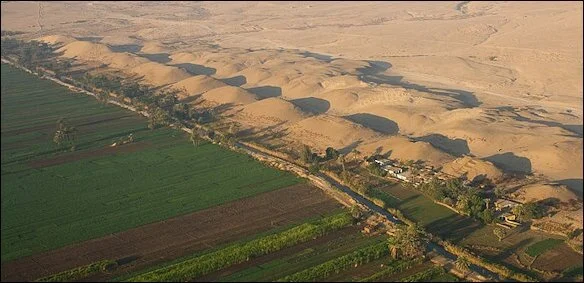
A relatively narrow strip of fertile valley spreads out into the Delta in the north and to the south cuts through the endless expanse of the Sahara. The red land was the barren desert that protected Egypt on two sides. Anywhere from building pyramids to parts of a city someone had to do it but who. Farming in Egypt was dependent on the cycle of the Nile River. Nile Deltas expansive fertile lands in Egypt under threat from climate change By 2050 the region could lose up to 15 of its key agricultural land due to salinization.
 Source: saintmichaelsavannah.com
And it came to pass in the four hundred and eightieth year after the children of Israel were come out of the land of Egypt in the fourth year of Solomons reign over Israel in the month Zif which is the second month that he began to build the House of the Lord I Kings 61. Nile Deltas expansive fertile lands in Egypt under threat from climate change By 2050 the region could lose up to 15 of its key agricultural land due to salinization. The Nile was an inevitability in Egyptian life. Egypt arable land for 2016 was 2786765 a 276 decline from 2015. The flooding season lasted from June to September depositing on the rivers.
 Source: pl.pinterest.com
Ancient Egyptians grew many crops and because coins and paper money had not yet been invented their economy depended on using their goods mostly crops including grain in a bartering system. Similar to how the Mayans developed Neolithic techniques through maize beans and squash in the tropical climate of Guatemalan rainforests early Egyptians were able to grow wheat beans and cotton on the banks of the Nile. The most important thing the Nile provided to the Ancient Egyptians was fertile land. Regular floods bring about the Nile valleys annual miracle. Further the hot and dryness were important in drying the mummies.
 Source: co.pinterest.com
The black land was the fertile land on the banks of the Nile where the ancient Egyptians grew their crops. T his is because the names come from the flow of the Nile River. Similar to how the Mayans developed Neolithic techniques through maize beans and squash in the tropical climate of Guatemalan rainforests early Egyptians were able to grow wheat beans and cotton on the banks of the Nile. Why was the land so fertile in Egypt. There are things that interest me.
This site is an open community for users to do sharing their favorite wallpapers on the internet, all images or pictures in this website are for personal wallpaper use only, it is stricly prohibited to use this wallpaper for commercial purposes, if you are the author and find this image is shared without your permission, please kindly raise a DMCA report to Us.
If you find this site good, please support us by sharing this posts to your preference social media accounts like Facebook, Instagram and so on or you can also bookmark this blog page with the title how was the land kept fertile in egeypt egept by using Ctrl + D for devices a laptop with a Windows operating system or Command + D for laptops with an Apple operating system. If you use a smartphone, you can also use the drawer menu of the browser you are using. Whether it’s a Windows, Mac, iOS or Android operating system, you will still be able to bookmark this website.