Your Hierarchical scale in egyptian art architecture images are ready in this website. Hierarchical scale in egyptian art architecture are a topic that is being searched for and liked by netizens now. You can Get the Hierarchical scale in egyptian art architecture files here. Get all free images.
If you’re searching for hierarchical scale in egyptian art architecture pictures information linked to the hierarchical scale in egyptian art architecture interest, you have visit the right blog. Our website frequently provides you with suggestions for seeking the highest quality video and image content, please kindly search and find more informative video content and graphics that fit your interests.
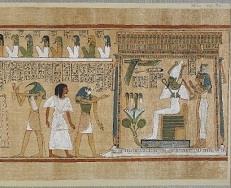
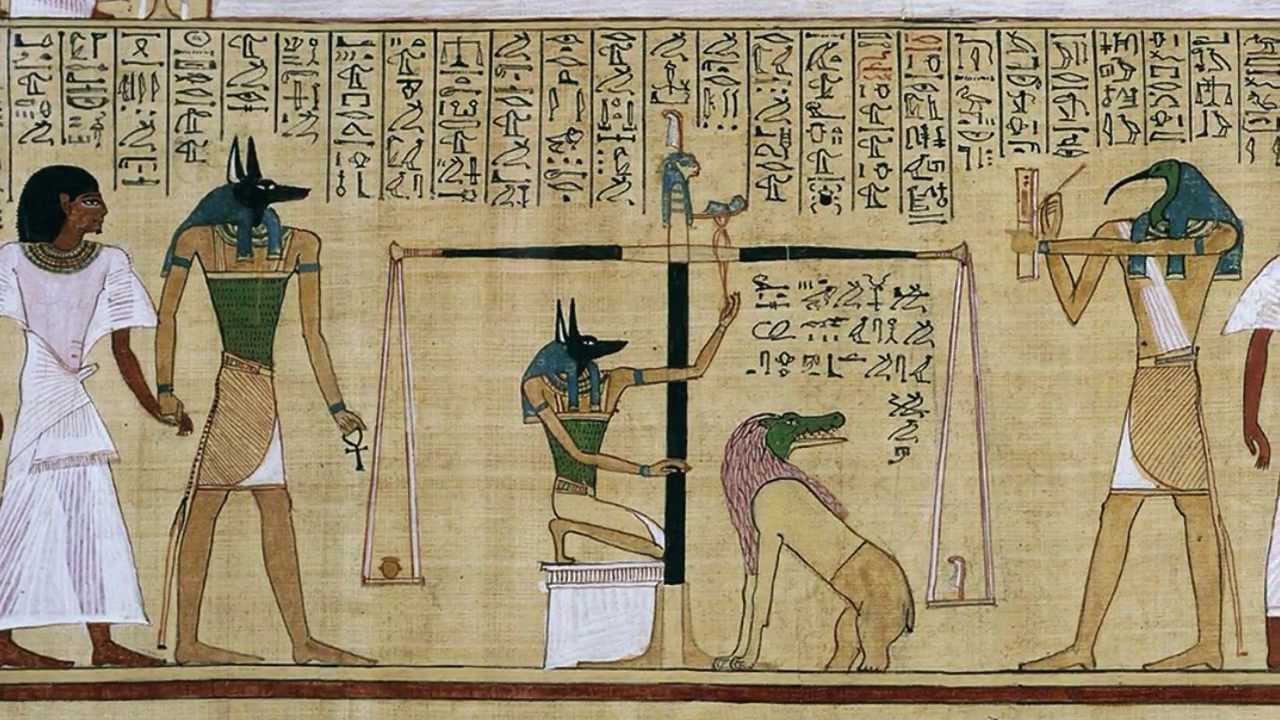
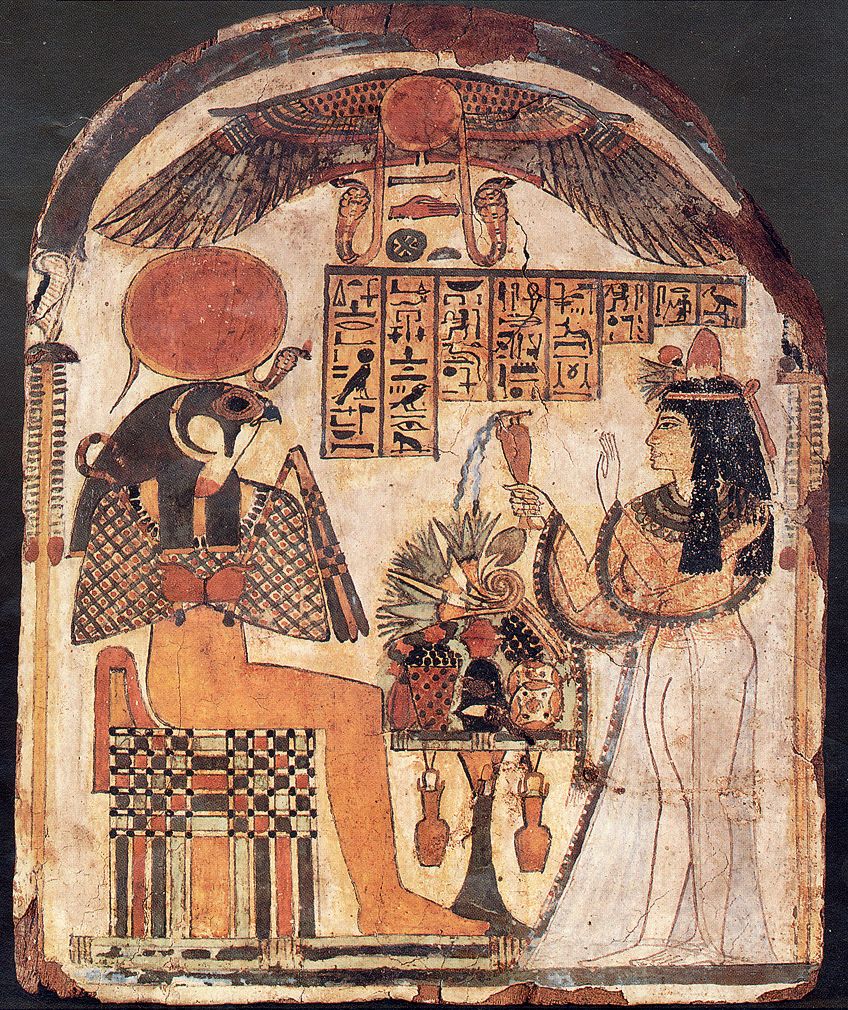
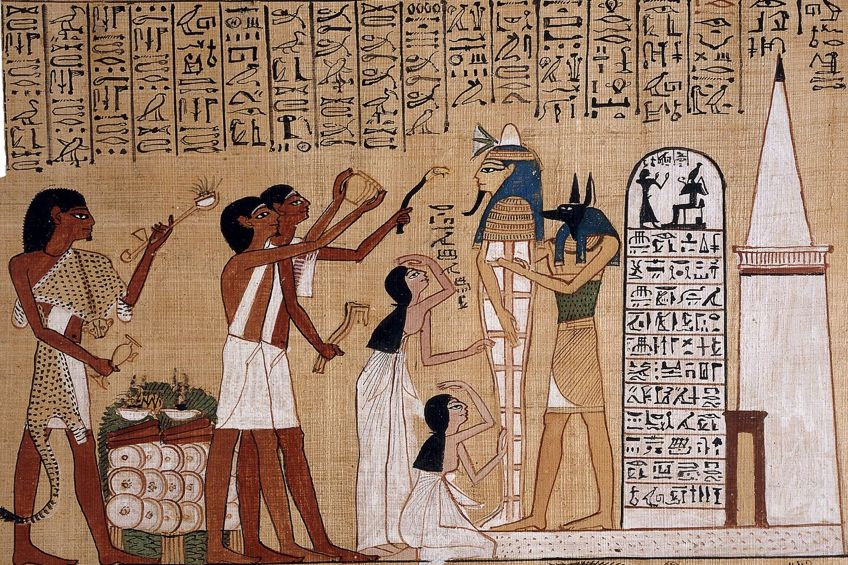
Hierarchical Scale In Egyptian Art Architecture. In order to accurately convey hierarchy within ancient Egyptian artworks differences in scale stood out as the most commonly used method. Relief from the northern wall of the great temple of Amun. The smallest figures were servants entertainers animals trees and architectural details. It was underground in American decorative arts throughout the nineteenth century continuing into the 1920s.
 Art Of Ancient Egypt Wiki Thereaderwiki From thereaderwiki.com
For a painting emphasizing Statue of Liberty the main focus must be on the statue than on its surroundings. Hierarchical Scale In Egyptian art the size of a figure indicates its relative importance. The hierarchical scale is mostly used in fine arts and paintings. Egyptian architecture and art were both fundamentally connected to the Egyptian belief that the spirit could survive immortally as long as it had a place to rest. Society this object visualizes and commemorates the unification of Upper and Lower Egypt and the beginning of Dynastic Egypt. It is the manipulations made in the sizing and spacing of different elements in the picture to emphasize the importance of it.
What is hierarchical scale quizlet.
In basic if you were to paint a picture of a girl in a field of flowers blowing bubbles you could do a number of things. Thus bodies were mummified and. What is the most famous work of Neolithic architecture in Europe. Dewan Mahasiswa Fakultas Ilmu Pendidikan Universitas Negeri Malang. Artist worked in durable materials such as stone metal and fired clay– local environment isnt destructive to artwork – culture was highly organized – culture had a tradition of catching its artwork in places of limited or no accessibility. The smallest figures were servants entertainers animals trees and architectural details.
 Source: pinterest.com
The smallest figures were servants entertainers animals trees and architectural details. Basically in any scene where more than one. Dewan Mahasiswa Fakultas Ilmu Pendidikan Universitas Negeri Malang. Artist worked in durable materials such as stone metal and fired clay– local environment isnt destructive to artwork – culture was highly organized – culture had a tradition of catching its artwork in places of limited or no accessibility. He loves fancy hats The concept is simple when.
 Source: kolibri.teacherinabox.org.au
The smallest figures were servants entertainers animals trees and architectural details. Axiality proportion and hieratic scaling indicate that Egyptian artists would have had to use mathematics to construct their composition. Ancient Egyptian artists used vertical and horizontal reference lines in order to maintain the correct proportions in their work. Hierarchical scale is a technique used in art mostly in sculpture and painting in which the artist uses unnatural proportion or scale to depict the relative importance of the figures in the artwork In laymans terms The bigger it is the more important Guess which fellow is the Pharoah in this Egyptian artwork. It is the manipulations made in the sizing and spacing of different elements in the picture to emphasize the importance of it.
 Source: edu.rsc.org
This page is a collection of pictures related to the topic of Hierarchical Scale in Ancient Egyptian Art which contains Hierarchical proportion the free encyclopediaHierarchical proportionHierarchical proportionEgyptian Hierarchy Ancient Egyptian Hierarchy. Through this use of difference one could assume that the larger the scale of the figure the more important that specific individual was. Hierarchical Scale In Egyptian art the size of a figure indicates its relative importance. This page is a collection of pictures related to the topic of Hierarchical Scale in Ancient Egyptian Art which contains Hierarchical proportion the free encyclopediaHierarchical proportionHierarchical proportionEgyptian Hierarchy Ancient Egyptian Hierarchy. You can click on the image to enter full-screen mode.
Source: thereaderwiki.com
Ancient Egyptian architecture the architectural monuments produced mainly during the dynastic periods of the first three millennia bce in the Nile valley regions of Egypt and NubiaThe architecture similar to representational art aimed to preserve forms and conventions that were held to reflect the perfection of the world at the primordial moment of creation and to embody. The smallest figures were servants entertainers animals trees and architectural details. For a painting emphasizing Statue of Liberty the main focus must be on the statue than on its surroundings. Hierarchical scale a sculpture that projects from a flat surface Relief art that represents objects in an exaggerated way to emphasize certain aspects of the object Stylized in Egyptian belief the. Hierarchical scale is a technique used in art mostly in sculpture and painting in which the artist uses unnatural proportion or scale to depict the relative importance of the figures in the artwork In laymans terms The bigger it is the more important Guess which fellow is the Pharoah in this Egyptian artwork.
 Source: artranked.com
Ancient Egyptian architecture the architectural monuments produced mainly during the dynastic periods of the first three millennia bce in the Nile valley regions of Egypt and NubiaThe architecture similar to representational art aimed to preserve forms and conventions that were held to reflect the perfection of the world at the primordial moment of creation and to embody. It is the manipulation of size and space in a picture to emphasize importance of a specific object. The smallest figures were servants entertainers animals trees and architectural details. Through this use of difference one could assume that the larger the scale of the figure the more important that specific individual was. Ancient Egyptian artists used vertical and horizontal reference lines in order to maintain the correct proportions in their work.
 Source: courses.lumenlearning.com
The major motifs of Egyptian art such as obelisks hieroglyphs the sphinx and pyramids were used in various artistic media including architecture furniture ceramics and silver. In order to accurately convey hierarchy within ancient Egyptian artworks differences in scale stood out as the most commonly used method. The Narmer Palette c. Hierarchical scale is a technique used in art mostly in sculpture and painting in which the artist uses unnatural proportion or scale to depict the relative importance of the figures in the artwork In laymans terms The bigger it is the more important Guess which fellow is the Pharoah in this Egyptian artwork. The major motifs of Egyptian art such as obelisks hieroglyphs the sphinx and pyramids were used in various artistic media including architecture furniture ceramics and silver.
 Source: pinterest.com
You can click on the image to enter full-screen mode. This page is a collection of pictures related to the topic of Hierarchical Scale in Ancient Egyptian Art which contains Hierarchical proportion the free encyclopediaHierarchical proportionHierarchical proportionEgyptian Hierarchy Ancient Egyptian Hierarchy. 29502775 BCE is a great place to start discussion in a class on Ancient Egypt as it highlights some key ideas. Hierarchical scale a sculpture that projects from a flat surface Relief art that represents objects in an exaggerated way to emphasize certain aspects of the object Stylized in Egyptian belief the. In basic if you were to paint a picture of a girl in a field of flowers blowing bubbles you could do a number of things.
 Source: pinterest.com
Significant or important individuals such as pharaohs were depicted as being much larger than any figures in a scene. The smallest figures were servants entertainers animals trees and architectural details. This page is a collection of pictures related to the topic of Hierarchical Scale in Ancient Egyptian Art which contains Hierarchical proportion the free encyclopediaHierarchical proportionHierarchical proportionEgyptian Hierarchy Ancient Egyptian Hierarchy. Axiality proportion and hieratic scaling indicate that Egyptian artists would have had to use mathematics to construct their composition. Through this use of difference one could assume that the larger the scale of the figure the more important that specific individual was.
 Source: slideplayer.com
He loves fancy hats The concept is simple when. In basic if you were to paint a picture of a girl in a field of flowers blowing bubbles you could do a number of things. The hieratic scale is a system used to visually communicate power in Egyptian as well as the art of other cultures including the ancient Near East and in medieval European art for example. Basically in any scene where more than one. Hierarchical Scale In Egyptian art the size of a figure indicates its relative importance.
 Source: study.com
The hieratic scale is a system used to visually communicate power in Egyptian as well as the art of other cultures including the ancient Near East and in medieval European art for example. For a painting emphasizing Statue of Liberty the main focus must be on the statue than on its surroundings. Hierarchical scale a sculpture that projects from a flat surface Relief art that represents objects in an exaggerated way to emphasize certain aspects of the object Stylized in Egyptian belief the. Ancient Egyptian architecture the architectural monuments produced mainly during the dynastic periods of the first three millennia bce in the Nile valley regions of Egypt and NubiaThe architecture similar to representational art aimed to preserve forms and conventions that were held to reflect the perfection of the world at the primordial moment of creation and to embody. Karnak Egypt Hierarchical scale is a technique used in art mostly in sculpture and painting in which the artist uses unnatural proportion or scale to depict the relative importance of the figures in the artwork.
 Source: khanacademy.org
Ancient Egyptian artists used vertical and horizontal reference lines in order to maintain the correct proportions in their work. Hierarchical Scale In Egyptian art the size of a figure indicates its relative importance. Egyptian motifs provided an exotic alternative to the more traditional styles of the day. Answer 1 of 5. You can click on the image to enter full-screen mode.
 Source: holmesaparthistory.weebly.com
The hieratic scale is a system used to visually communicate power in Egyptian as well as the art of other cultures including the ancient Near East and in medieval European art for example. You can click on the image to enter full-screen mode. Dewan Mahasiswa Fakultas Ilmu Pendidikan Universitas Negeri Malang. The hieratic scale is a system used to visually communicate power in Egyptian as well as the art of other cultures including the ancient Near East and in medieval European art for example. Thus bodies were mummified and.
 Source: artincontext.org
Significant or important individuals such as pharaohs were depicted as being much larger than any figures in a scene. The Narmer Palette c. Hierarchical Scale in Ancient Egyptian Art. For those who would like to know the explanation its due to a principle modern art historians call hierarchical scaling. You can click on the image to enter full-screen mode.
 Source: artincontext.org
Hierarchical scale in Egyptian relief 173 slide 2. 29502775 BCE is a great place to start discussion in a class on Ancient Egypt as it highlights some key ideas. Significant or important individuals such as pharaohs were depicted as being much larger than any figures in a scene. This meant gods or the pharaoh were usually bigger than other figures followed by figures of high officials or the tomb owner. If you wanted the bubbles to.
 Source: pinterest.com
For those who would like to know the explanation its due to a principle modern art historians call hierarchical scaling. Significant or important individuals such as pharaohs were depicted as being much larger than any figures in a scene. What is the most famous work of Neolithic architecture in Europe. Society this object visualizes and commemorates the unification of Upper and Lower Egypt and the beginning of Dynastic Egypt. Egyptian architecture and art were both fundamentally connected to the Egyptian belief that the spirit could survive immortally as long as it had a place to rest.
 Source: pinterest.com
Additionally what is proportion art. The smallest figures were servants entertainers animals trees and architectural details. Axiality proportion and hieratic scaling indicate that Egyptian artists would have had to use mathematics to construct their composition. The hieratic scale is a system used to visually communicate power in Egyptian as well as the art of other cultures including the ancient Near East and in medieval European art for example. This page is a collection of pictures related to the topic of Hierarchical Scale in Ancient Egyptian Art which contains Hierarchical proportion the free encyclopediaHierarchical proportionHierarchical proportionEgyptian Hierarchy Ancient Egyptian Hierarchy.
Source: researchgate.net
Relief from the northern wall of the great temple of Amun. Additionally what is proportion art. This meant gods or the pharaoh were usually bigger than other figures followed by figures of high officials or the tomb owner. This page is a collection of pictures related to the topic of Hierarchical Scale in Ancient Egyptian Art which contains Hierarchical proportion the free encyclopediaHierarchical proportionHierarchical proportionEgyptian Hierarchy Ancient Egyptian Hierarchy. Relief from the northern wall of the great temple of Amun.
 Source: pinterest.com
Axiality proportion and hieratic scaling indicate that Egyptian artists would have had to use mathematics to construct their composition. In basic if you were to paint a picture of a girl in a field of flowers blowing bubbles you could do a number of things. The smallest figures were servants entertainers animals trees and architectural details. This meant gods or the pharaoh were usually bigger than other figures followed by figures of high officials or the tomb owner. If you wanted the bubbles to.
This site is an open community for users to share their favorite wallpapers on the internet, all images or pictures in this website are for personal wallpaper use only, it is stricly prohibited to use this wallpaper for commercial purposes, if you are the author and find this image is shared without your permission, please kindly raise a DMCA report to Us.
If you find this site beneficial, please support us by sharing this posts to your preference social media accounts like Facebook, Instagram and so on or you can also bookmark this blog page with the title hierarchical scale in egyptian art architecture by using Ctrl + D for devices a laptop with a Windows operating system or Command + D for laptops with an Apple operating system. If you use a smartphone, you can also use the drawer menu of the browser you are using. Whether it’s a Windows, Mac, iOS or Android operating system, you will still be able to bookmark this website.


