Your Egyptian heirarchal scale images are available in this site. Egyptian heirarchal scale are a topic that is being searched for and liked by netizens now. You can Get the Egyptian heirarchal scale files here. Download all free photos and vectors.
If you’re looking for egyptian heirarchal scale images information connected with to the egyptian heirarchal scale keyword, you have pay a visit to the ideal site. Our website frequently gives you suggestions for refferencing the maximum quality video and image content, please kindly hunt and find more enlightening video content and graphics that match your interests.
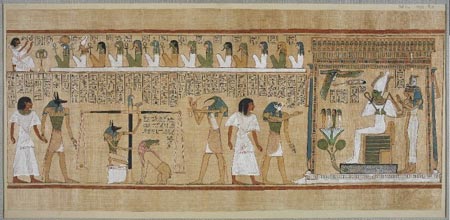
Egyptian Heirarchal Scale. Basically in any scene where more than one. Significant or important individuals such as pharaohs were depicted as being much larger than any figures in a scene. Hierarchical Scale In Egyptian art the size of a figure indicates its relative importance. He loves fancy hats.
 Sumerian Votive Figures From Eshunna 2900 2600 Bce Ancient Sumerian Ancient Near East Ancient History From pinterest.com
This meant gods or the pharaoh were usually bigger than other figures followed by figures of high officials or the tomb owner. C D F G A. This page is a collection of pictures related to the topic of Hierarchical Scale in Ancient Egyptian Art which contains Hierarchical proportion the free encyclopediaHierarchical proportionHierarchical proportionEgyptian Hierarchy Ancient Egyptian Hierarchy. Hierarchical scale is a method used in art greatly in sculpture and also painting in which the artist provides unnatural proportion or scale to depict the relative prominence of the numbers in the artwork In laymans terms The bigger it is the more important Guess which other is the Pharoah in this Egyptian artwork. Three conventions that Egyptians used were hierarchical scale composite pose and canon of proportions. Significant or important individuals such as pharaohs were depicted as being much larger than any figures in a scene.
Three conventions that Egyptians used were hierarchical scale composite pose and canon of proportions.
This meant gods or the pharaoh were usually bigger than other figures followed by figures of high officials or the tomb owner. The smallest figures were servants entertainers animals. The smallest figures were servants entertainers animals. Basically in any scene where more than one. According to Ancient Egyptian art the most important people are the largest say the pharaoh or the gods while the servants or children would be much smallerMay 18 2020. The Importance of Scale.
 Source: pinterest.com
This meant gods or the pharaoh were usually bigger than other figures followed by figures of high officials or the tomb owner. This page is a collection of pictures related to the topic of Hierarchical Scale in Ancient Egyptian Art which contains Hierarchical proportion the free encyclopediaHierarchical proportionHierarchical proportionEgyptian Hierarchy Ancient Egyptian Hierarchy. Proportion of Egyptian Art such as profile view hierarchical scale and register lines. Why did Egyptians use hierarchical scale. The Pharaohs were believed to be God on earth and they had most of the power.
 Source: thereaderwiki.com
This page is a collection of pictures related to the topic of Hierarchical Scale in Ancient Egyptian Art which contains Hierarchical proportion the free encyclopediaHierarchical proportionHierarchical proportionEgyptian Hierarchy Ancient Egyptian Hierarchy. Now lets talk about each class one by one. What is an example. Hierarchical Scale in Ancient Egyptian Art. 19072012 The social hierarchy of Egypt ranging from the highest to backside consisted of Pharaohs Vizier Nobles Clergymen Scribes and Troopers and many others.
 Source: edu.rsc.org
Axiality proportion and hieratic scaling indicate that Egyptian artists would have had to use mathematics to construct their composition. Egyptian artwork makes use of hierarchical proportion the place the scale of figures. They Egyptians used what is called hierarchical scale to show the relative importance of people. What is an example. Why did Egyptians use a hierarchical scale.
 Source: pinterest.com
Basically in any scene where more than one. Egyptian artwork hierarchical scale. Why did Egyptians use hierarchical scale. The Egyptian Scale is constructed by 5 notes making it a pentatonic scale sort. Egyptian artwork makes use of hierarchical proportion the place the scale of figures.
 Source: de.pinterest.com
Formulation in diploma of C Egyptian scale. Why did Egyptians use hierarchical scale. The Pharaohs were believed to be god in the human form. This meant gods or the pharaoh were usually bigger than other figures followed by figures of high officials or the tomb owner. The smallest figures were servants entertainers animals.
Source: pinterest.com
Now lets talk about each class one by one. Social classes at the top of the pyramid subordinated classes with less power at the bottom. This meant gods or the pharaoh were usually bigger than other figures followed by figures of high officials or the tomb owner. In Egypt there were definite social classes which were dictated by an Egyptians profession. Why did Egyptians use a hierarchical scale.
 Source: libguides.stalbanssc.vic.edu.au
The colours used for work. He loves sophisticated hats The principle. The smallest figures were servants entertainers animals. In many tombs the walls still carry these grids used to ensure the conventions were kept to by the lower and apprentice. In Egypt there were definite social classes which were dictated by an Egyptians profession.
 Source: pinterest.com
Three conventions that Egyptians used were hierarchical scale composite pose and canon of proportions. On the very high of this social construction was the pharaoh and their gods. He loves sophisticated hats The principle. The Importance of Scale. C D F G A.
 Source: pinterest.com
Hierarchical scale is a technique used in art mostly in sculpture and painting in which the artist uses unnatural proportion or scale to depict the relative importance of the figures in the artwork In laymans terms The bigger it is the more important Guess which fellow is the Pharoah in this Egyptian artwork. Significant or important individuals such as pharaohs were depicted as being much larger than any figures in a scene. Hierarchical scale is a method used in art greatly in sculpture and also painting in which the artist provides unnatural proportion or scale to depict the relative prominence of the numbers in the artwork In laymans terms The bigger it is the more important Guess which other is the Pharoah in this Egyptian artwork. 08042005 Egyptian artwork makes use of hierarchical proportions the place the dimensions of figures signifies their relative significance. You can click on the image to enter full-screen mode.
 Source: pinterest.com
Formulation in diploma of C Egyptian scale. Hierarchical scale is a method used in art greatly in sculpture and also painting in which the artist provides unnatural proportion or scale to depict the relative prominence of the numbers in the artwork In laymans terms The bigger it is the more important Guess which other is the Pharoah in this Egyptian artwork. Hierarchical scale is a technique used in art mostly in sculpture and painting in which the artist uses unnatural proportion or scale to depict the relative importance of the figures in the artwork In laymans terms The bigger it is the more important Guess which fellow is the Pharoah in this Egyptian artwork. He loves sophisticated hats The principle. According to Ancient Egyptian art the most important people are the largest say the pharaoh or the gods while the servants or children would be much smallerMay 18 2020.
 Source: in.pinterest.com
Egyptian Scales Piano Examine YouTube. The smallest figures were servants entertainers animals. The Pharaohs were believed to be God on earth and they had most of the power. Axiality proportion and hieratic scaling indicate that Egyptian artists would have had to use mathematics to construct their composition. Egyptian Scales Piano Examine YouTube.
 Source: pinterest.com
What is an example. Significant or important individuals such as pharaohs were depicted as being much larger than any figures in a scene. Additionally what is proportion art. 08042005 Egyptian artwork makes use of hierarchical proportions the place the dimensions of figures signifies their relative significance. The social hierarchy of Egypt starting from the top to bottom consisted of Pharaohs Vizier Nobles Priests Scribes and Soldiers etc.
 Source: pinterest.com
They Egyptians used what is called hierarchical scale to show the relative importance of people. Axiality proportion and hieratic scaling indicate that Egyptian artists would have had to use mathematics to construct their composition. In many tombs the walls still carry these grids used to ensure the conventions were kept to by the lower and apprentice. In Egyptian art the size of a figure indicates its relative importance. Social classes at the top of the pyramid subordinated classes with less power at the bottom.
 Source: pinterest.com
This meant gods or the pharaoh were usually bigger than other figures followed by figures of high officials or the tomb owner. 08042005 Egyptian artwork makes use of hierarchical proportions the place the dimensions of figures signifies their relative significance. The smallest figures were servants entertainers animals. Now lets talk about each class one by one. Additionally what is proportion art.
 Source: pinterest.com
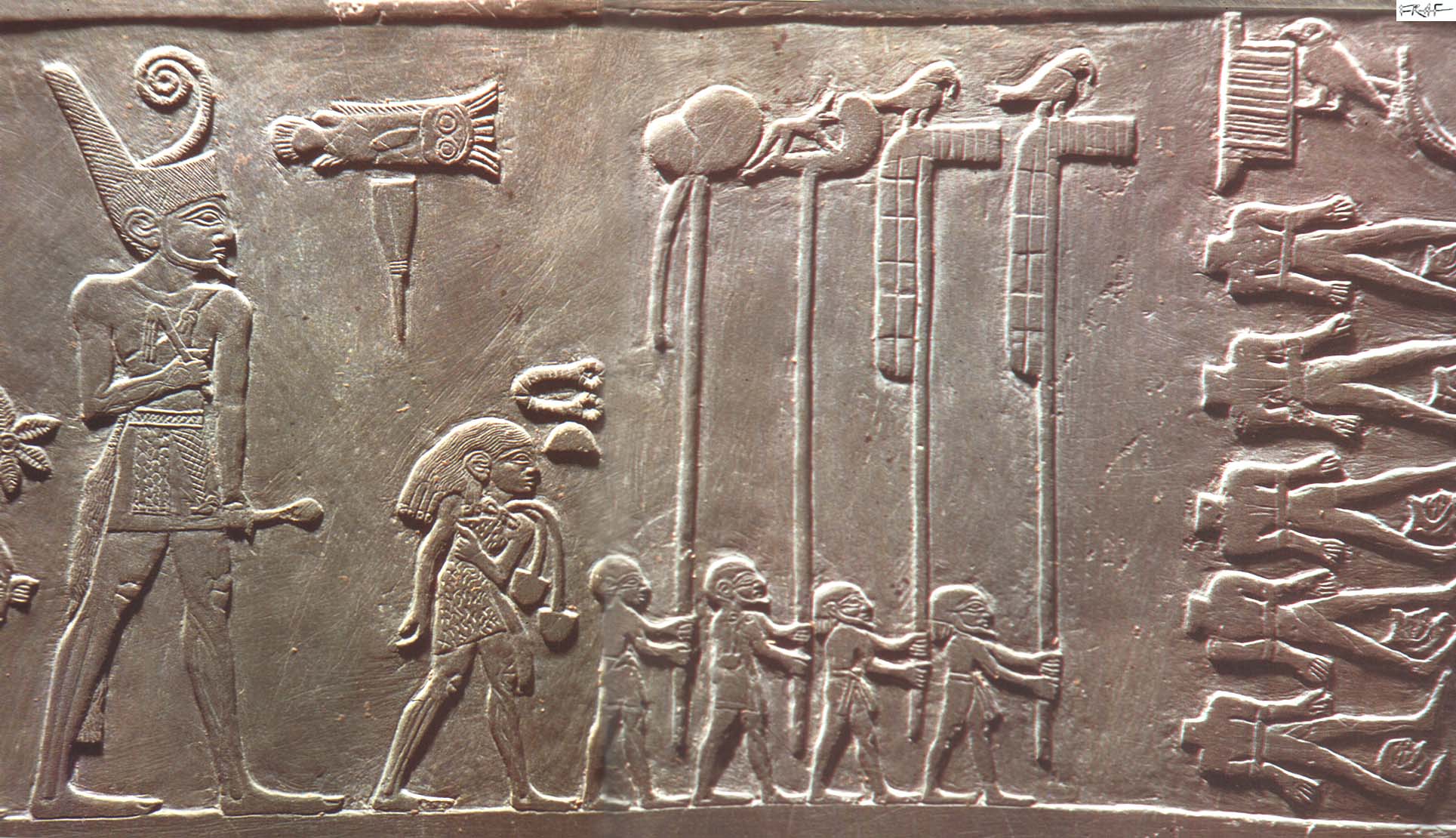
In the Palette of Narmer the king is depicted as the largest being on the palette and has additional support to show his importance. In Egypt there were definite social classes which were dictated by an Egyptians profession. For those who would like to know the explanation its due to a principle modern art historians call hierarchical scaling. Additionally what is proportion art. In many tombs the walls still carry these grids used to ensure the conventions were kept to by the lower and apprentice.
 Source: pinterest.com
Significant or important individuals such as pharaohs were depicted as being much larger than any figures in a scene. A hierarchy is a social system in ancient Egypt. Hierarchical Scale in Ancient Egyptian Art. In many tombs the walls still carry these grids used to ensure the conventions were kept to by the lower and apprentice. Formulation in diploma of C Egyptian scale.
 Source: pinterest.com
C D F G A. They Egyptians used what is called hierarchical scale to show the relative importance of people. The colours used for work. Hierarchical scale indicates who is important and who is not. Ancient Egyptian artists used vertical and horizontal reference lines in order to maintain the correct proportions in their work.
 Source: blog.stephens.edu
Axiality proportion and hieratic scaling indicate that Egyptian artists would have had to use mathematics to construct their composition. What is the sizing of figures by social rank called. These social classes were represented by a pyramid organized hierarchically. This meant gods or the pharaoh were usually bigger than other figures followed by figures of high officials or the tomb owner. The social hierarchy of Egypt starting from the top to bottom consisted of Pharaohs Vizier Nobles Priests Scribes and Soldiers etc.
This site is an open community for users to do sharing their favorite wallpapers on the internet, all images or pictures in this website are for personal wallpaper use only, it is stricly prohibited to use this wallpaper for commercial purposes, if you are the author and find this image is shared without your permission, please kindly raise a DMCA report to Us.
If you find this site convienient, please support us by sharing this posts to your favorite social media accounts like Facebook, Instagram and so on or you can also bookmark this blog page with the title egyptian heirarchal scale by using Ctrl + D for devices a laptop with a Windows operating system or Command + D for laptops with an Apple operating system. If you use a smartphone, you can also use the drawer menu of the browser you are using. Whether it’s a Windows, Mac, iOS or Android operating system, you will still be able to bookmark this website.